Senate rejects first two of four gun-control measures
The U.S. Senate blocked Republican and Democratic proposals on background checks on gun purchases, the first two of four measures to curb guns that senators are expected to reject on Monday after last week’s mass shooting in an Orlando nightclub.
All four of the measures to expand background checks on gun buyers and curb gun sales to those on terrorism watch lists - two put forth by Democrats and two by Republicans - were expected to fall short of the 60 votes needed for passage in the 100-member chamber.
But lawmakers in the Senate were still trying to forge a compromise for later this week that might keep firearms away from people on terrorism watch lists.
The deadliest mass shooting in modern U.S. history last week intensified pressure on lawmakers and spurred quick action in Congress. But the gun-control measures were expected to lose in votes that showed the lingering political power in Congress of gun rights defenders and the National Rifle Association.
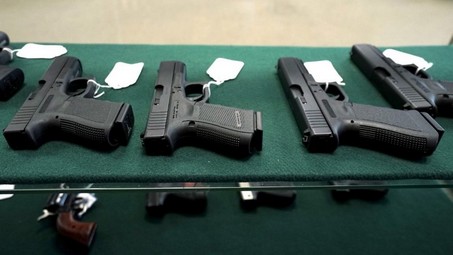
The first measure, sponsored by Republican Senator Charles Grassley, fell seven votes short of the 60 needed. The second measure, sponsored by Democratic Senator Chris Murphy of Connecticut, fell 16 votes short of 60.
Republicans and their allies in the NRA gun lobby said the Democratic bills were too restrictive and trampled on the constitutional right to bear arms. Democrats attacked the Republicans plans as too weak.
Senate Majority Leader Mitch McConnell, a Kentucky Republican, said the Democratic measures were ineffective and Democrats were not sincere in their effort.
“Instead of using this as an opportunity to push a partisan agenda or craft the next 30-second campaign ad,” McConnell said, Republican senators “are pursuing real solutions that can help keep Americans safer from the threat of terrorism.”
The Orlando gunman, Omar Mateen, pledged allegiance to the militant group Islamic State as he killed 49 people in a gay nightclub.
“This country is under attack … it’s not a plane or an explosive device, it’s an assault weapon,” said Murphy, who led a 15-hour filibuster last week to draw attention to the effort to restrict guns.
Congress has not passed new gun restrictions since a 2007 expansion of the government’s automatic background check database to include individuals with a history of mental illness and felons. The United States has more than 310 million weapons, about one for every citizen.